Our Grapes
Native varieties at the heart of Ranchelle
Historic Tuscan and Mediterranean Varieties
Ranchelle’s wines are made almost entirely from historic Tuscan and Mediterranean grape varieties, many of which survive today only in small pockets of the Maremma.
These grapes bring not just flavours, but also memory, culture, and biodiversity into the glass. Below is a short introduction to the 11 varieties that appear in our vineyards and wines.
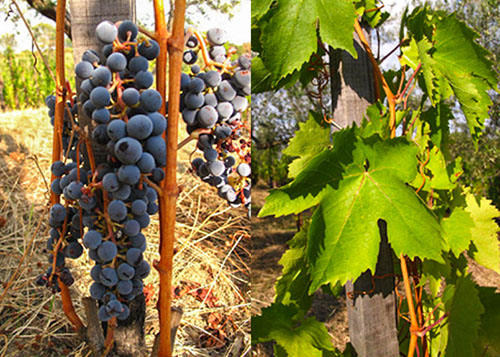
Aleatico
Aromatic, floral, and deeply Mediterranean.
Aleatico belongs to the family of muscat-scented grapes and is now considered to have ancient Tuscan roots. Historically used for sweet, passito-style wines, it is particularly associated with the island of Elba and parts of the Maremma. Highly perfumed and expressive, Aleatico is prized for its intense aroma and is sometimes used in small quantities to bring fragrance to red and rosé wines.
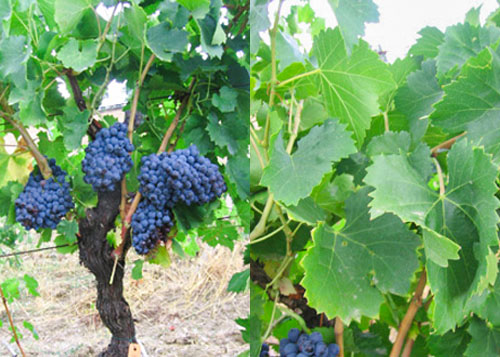
Alicante
Sun-loving red, known elsewhere as Grenache or Cannonau.
Known in Maremma as Tinto di Spagna, Alicante is the local name for Grenache, one of the most widely planted red grapes in the world. It likely arrived in Tuscany during the Spanish presence in the 16th century and has since become an important component of many Maremman reds. At Ranchelle, Alicante contributes warmth, generous fruit, and structure to both red and rosé wines.
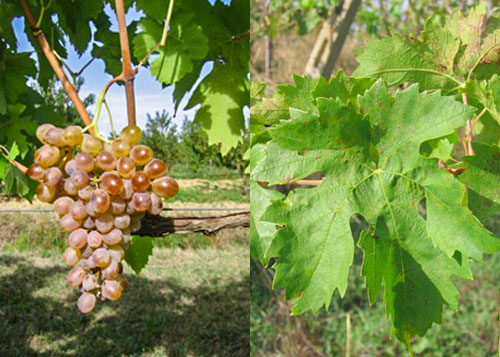
Ansonica
A great Mediterranean white with sea-breeze character.
Ansonica is a historic coastal variety of the Tyrrhenian Sea, long cultivated on the islands of Elba and Giglio and along the Maremman coast. Traditionally used for robust white wines and sun-dried grapes, it brings body, salinity, and a slightly golden colour. In our vineyards, Ansonica adds texture, Mediterranean herbs, and a sense of sea-influenced freshness to the whites.
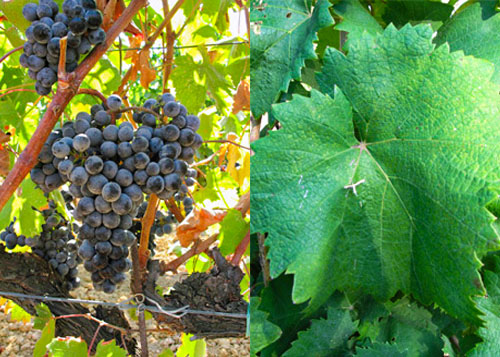
Buonamico
An old Tuscan red with rustic charm and deep roots.
Buonamico (also known by many local names such as Giacomino or Uva Rosa) is one of the oldest documented Tuscan varieties. Once widely planted in the hills around Pisa and other areas, it is now rarely seen but still appears in old Maremman vineyards. Naturally generous and productive, Buonamico offers colour, fruit, and a link to a very ancient viticultural past.
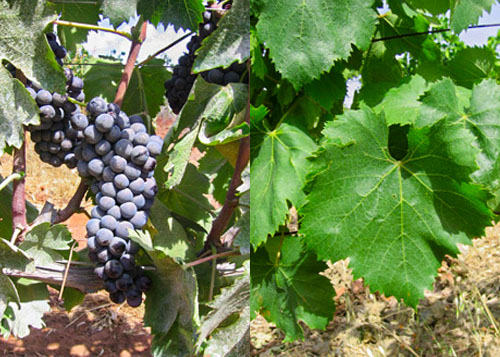
Ciliegiolo
The emblematic red grape of the Maremma.
Ciliegiolo is a black grape that has always accompanied Sangiovese in many Tuscan vineyards and blends. Now recognised as a close relative (and likely descendant) of Sangiovese, it softens and rounds out more structured wines. In Maremma, it is appreciated for its juicy cherry fruit, supple tannins, and its ability to bring both charm and depth to reds and rosés.

Clairette
A historic French white with bright acidity and minerality.
Clairette (Francesino) originates from the Languedoc and is traditionally used in the Rhône and Provence for still and sparkling wines such as Clairette de Die. It is one of the few French varieties closely related to wild vines and is capable of producing wines with notable minerality and a golden colour. At Ranchelle, Clairette (locally called Francesino) contributes floral notes, citrus, and a fine, slightly bitter finish that enhances freshness.
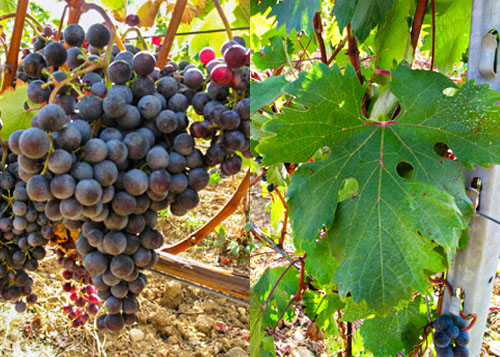
Mammolo
Elegant, aromatic red with a long Tuscan history.
Mammolo has been present in Tuscany for centuries and is an important part of the traditional blends of wines like Vino Nobile di Montepulciano. Appreciated for its delicate floral and spicy aromas rather than deep colour, it brings perfume and finesse to red wines. In Corsica it is known as Sciaccarello, confirming its wider Mediterranean identity. At Ranchelle, Mammolo adds aromatic lift and gentle structure.

Nocchianello
A rare local white, almost extinct outside Pitigliano.
Nocchianello survives today only in small collections and old vineyards in the Pitigliano area, with several local biotypes. Not registered in the national catalogue, it remains an almost “hidden” variety with a likely Tuscan origin and a close genetic link to Mammolo. Its compact, small bunches and good resistance to rot make it well-suited to natural viticulture, contributing texture and character to white blends like Roccolina.
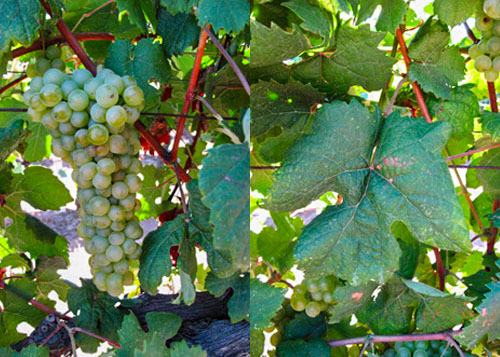
Riminese
A vigorous white from the Argentario coast, ideal for ageing.
Known locally as Duropersico and genetically identified as Riminese Bianco, this variety is linked to the vineyards of Porto Ercole and the Argentario coastline. Historically planted on terraces facing the sea, it also appears in some old Maremman vineyards. Riminese produces balanced, slightly aromatic white wines with good acidity and structure, making them suitable for ageing and for nuanced, terroir-driven blends.

Procanico
A local form of Trebbiano Toscano, once the backbone of many whites.
Procanico is a traditional biotype of Trebbiano Toscano, historically central to white wines from Maremma, northern Lazio, and Umbria, such as Bianco di Pitigliano, Orvieto, and Frascati. Compared to more productive modern clones, Procanico tends to give lower yields, better concentration, and more personality. In our vineyards, it brings acidity, tension, and longevity to the blends.
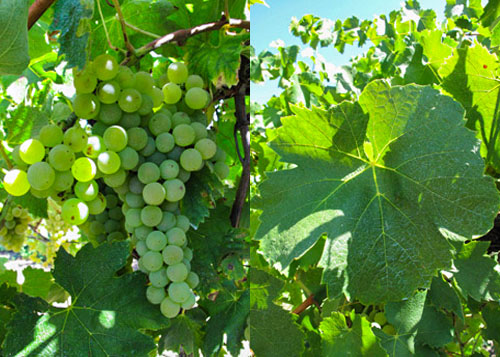
Verdello
A rare white today in Tuscany, related to Verdicchio.
Verdello is now more common in Umbria than in Tuscany and shares a genetic identity with Verdicchio and Trebbiano di Soave. These are considered different biotypes of the same ancient family. Verdello typically produces wines with good acidity, a subtle herbal note, and a clean, persistent finish. In Ranchelle’s blends, it supports freshness and structure, helping the wines age gracefully.
The Vineyards Behind the Varieties
Each of these historic grapes expresses itself differently depending on altitude, soil, and exposure.
Visit our vineyard page to see how Millocchio, Pergolacce, Roccolina, and Poggio Mattio each contribute their own character to our wines.