Ranchelle
Natural Wines from the Heart of Tuscany
In the hills of the Tuscan Maremma, near the Terme di Saturnia, Ranchelle cultivates four hectares of vineyards planted exclusively with native Tuscan vines.
We craft natural, organic wines that reflect their land — pure expressions of soil, climate, and time.
A Small Winery with a Big Purpose
Founded in 2014, Ranchelle was created to protect and revive the historic wine heritage of the Maremma. We work with native vines — some over 60 years old — to produce wines that express the land, the vintage, and nothing else.
We farm organically, follow biodynamic principles, and make wine by hand in the village of Poggio Murella, near the Terme di Saturnia.
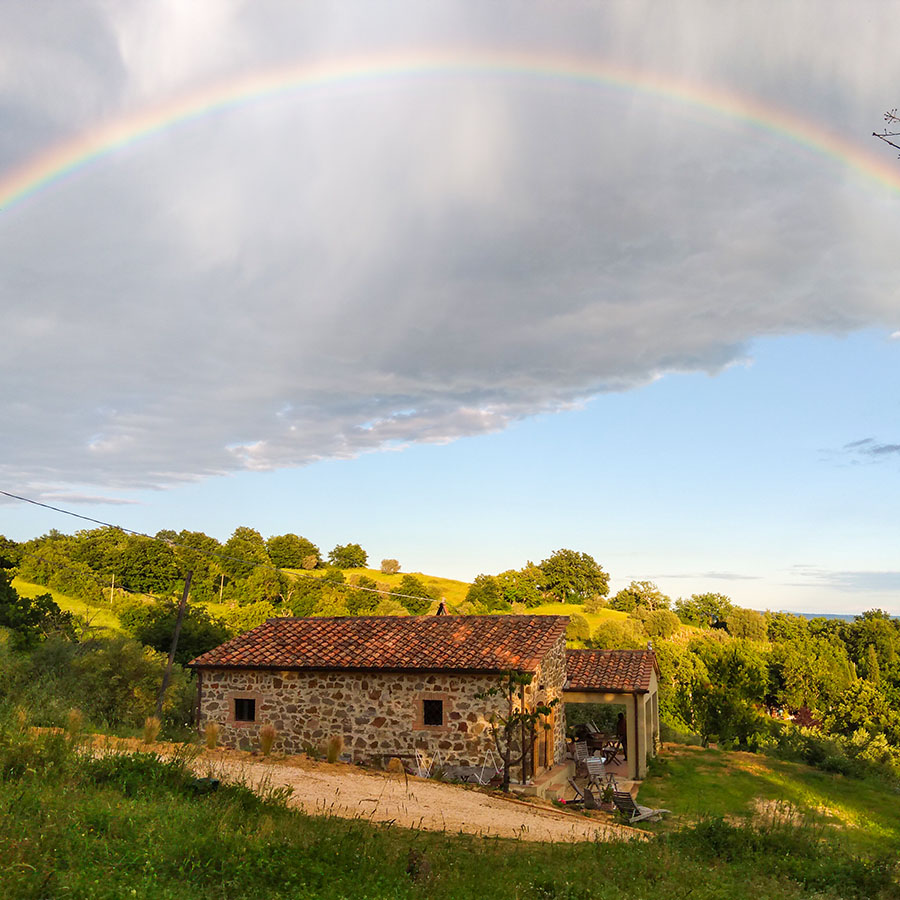
Since 2014
4 hectares
8,000 bottles/year
Natural Wine, Vineyard First
Natural wine is not a trend here — it is a commitment. Healthy vineyards, spontaneous fermentations, and no additives or filtration. Just grapes and time.
Organic farming with cover crops
Native yeasts only
No chemical additives or filtration
Gravity and slow aging in old barrels
Nitrogen protection instead of added sulfur
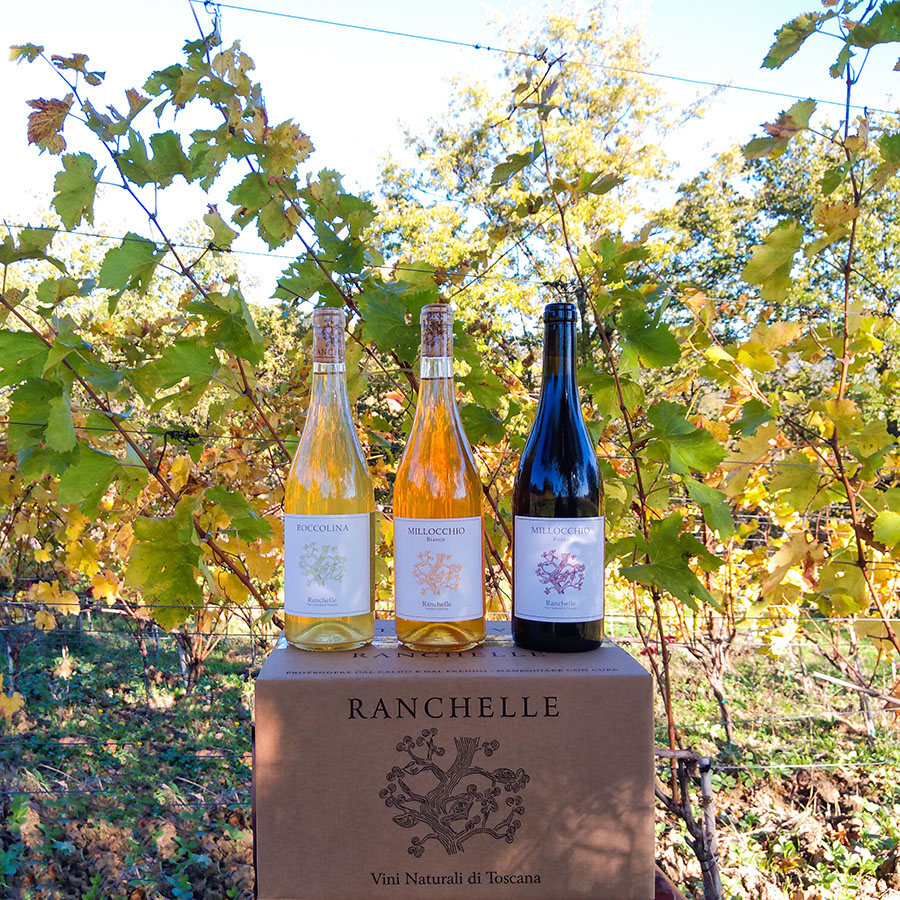
Wines Shaped by Nature and Tradition
Crafted in small batches and guided by a natural, hands-off philosophy, Ranchelle’s wines express the character of Poggio Murella’s hills and its rare native grape varieties.
Each bottle reflects our soils, our old vines, and the quiet work of time.
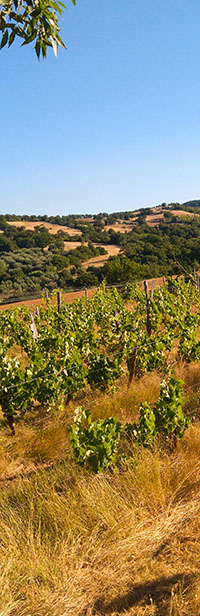
The Vineyards
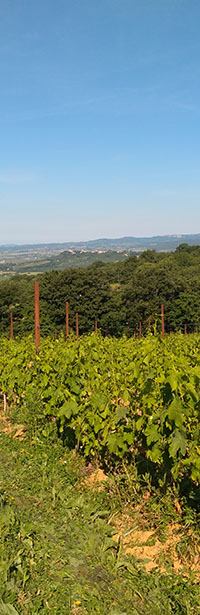
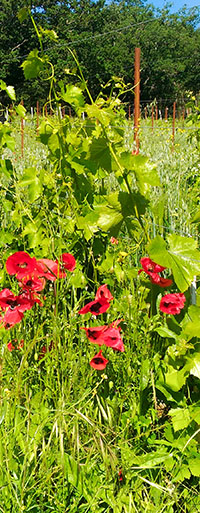
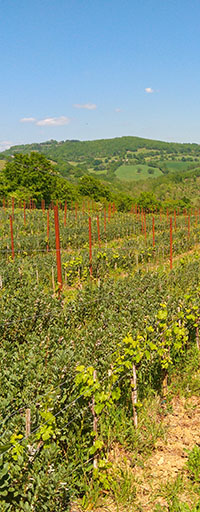
Our four vineyards — Millocchio, Pergolacce, Roccolina, and Poggio Mattio — lie between 350 and 400 meters above sea level, on southeast-facing slopes of schist, silt, and clay.
Here, mild coastal air meets mineral soils, creating a unique balance of freshness and ripeness.
All vineyards are farmed organically, with cover crops and natural biodiversity.
No irrigation. No pesticides. Just the strength of the soil and the patience of time.
The Grapes
Ranchelle cultivates 11 historic grape varieties of southern Tuscany:
Aleatico, Alicante, Ansonica, Buonamico, Ciliegiolo, Clairette, Mammolo, Nocchianello, Riminese (Duropersico), Procanico, and Verdello.
Each contributes a unique voice — floral, fruity, or mineral — and together they form the living heritage of the Maremma.